



As smart homes continue to evolve, window coverings have become a critical component of modern home automation. Smart blinds improve comfort, energy efficiency, and control by responding automatically to schedules, sunlight, and voice commands.
At RYSE, we view smart blinds not as a standalone upgrade, but as part of a fully integrated home automation ecosystem. Below is a clear, practical guide to the best smart devices for integrating blinds into a connected home.
Why Integrate Blinds Into Home Automation?
Smart blinds provide measurable functional benefits beyond convenience:
- Energy efficiency: Automated blinds reduce heat gain and loss by adjusting based on time of day and sunlight exposure, lowering HVAC demand.
- Improved comfort and privacy: Precise control over light and visibility throughout the day.
- Seamless automation: Blinds can respond to routines, sensors, and environmental conditions alongside lighting and climate systems.
When integrated correctly, smart blinds become an intelligent environmental control layer rather than a simple motorized accessory.
Top Smart Device Categories for Automated Blinds
1. Motorized Smart Blinds and Shades
Motorized blinds are purpose-built with integrated motors and smart connectivity. They typically offer native support for major platforms such as Amazon Alexa, Google Assistant, Apple HomeKit, and Matter-enabled systems.
Advantages
- Direct integration with smart home ecosystems
- Reliable scheduling and automation
- Clean, all-in-one installation
Best for: New builds, renovations, or homeowners replacing existing window treatments.
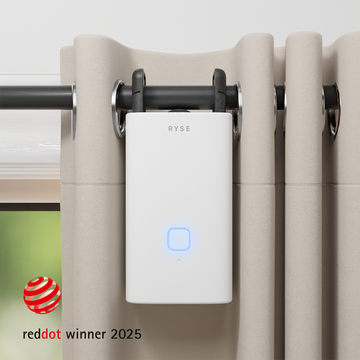
2. Retrofit Smart Blind Motors
Retrofit motor kits convert existing manual blinds into smart blinds without full replacement. These solutions are cost-effective and installation-friendly, making them popular for apartments and retrofits.
Key features to look for
- Wireless connectivity (Wi-Fi, Bluetooth, Zigbee, Z-Wave, or Matter)
- App and voice control support
- Battery or solar power options
Best for: Existing blinds, renters, or phased smart home upgrades.
3. Smart Controllers, Bridges, and Hubs
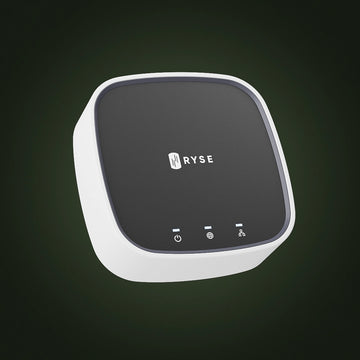
Some blinds rely on Bluetooth, infrared, or low-power protocols rather than direct Wi-Fi. Smart controllers and bridges act as translators between your blinds and your automation platform.
Common roles
- Enable integration with Alexa, Google Home, HomeKit, or Home Assistant
- Improve reliability through Zigbee or Z-Wave mesh networks
- Allow advanced automation logic and sensor-based triggers
Best for: Homes using multi-device automation systems or advanced smart home platforms.
4. Voice Assistants and Central Automation Platforms
Smart blinds reach their full potential when connected to a centralized control system. Platforms such as Alexa, Google Home, Apple HomeKit, SmartThings, and Home Assistant allow blinds to operate as part of broader routines.
Examples
- Automatically closing blinds at sunset
- Adjusting blinds based on indoor temperature or sunlight
- Coordinating blinds with lighting and climate systems
This level of orchestration transforms blinds from manual fixtures into responsive environmental controls.
How to Choose the Right Smart Blind Solution
When selecting smart blind devices, consider the following factors:
Compatibility
Ensure the device supports your preferred smart home ecosystem and protocols.
Installation Complexity
Motorized blinds may require professional installation, while retrofit kits are often DIY-friendly.
Connectivity Type
Wi-Fi offers simplicity, while Zigbee and Z-Wave provide greater reliability in larger or more complex homes.
Control Flexibility
Look for multiple control methods: app, voice, schedules, sensors, and manual override.
Smart Blinds the RYSE Way
At RYSE, smart home upgrades are designed around reliability, scalability, and long-term value. Integrating blinds into your automation system should feel effortless — not fragmented. The right devices create a seamless experience where light, comfort, and energy efficiency work together automatically.
Smart blinds are no longer a luxury feature; they are a foundational element of a well-designed smart home.


